

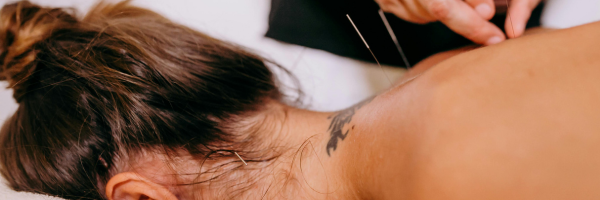
Dry needling is one treatment technique that can be incorporated into your osteopathic treatment to help with muscle tension, pain and restricted movement.
If you have ever experienced a tight or painful muscle that just doesn’t seem to want to loosen up, dry needling may be something your osteopath considers as part of your treatment.
Dry needling uses fine, sterile needles to target specific areas of tight or sensitive muscle, including trigger points that may be contributing to pain or restricted movement.
It can be used alongside other osteopathic treatment techniques, such as hands-on treatment and exercises, depending on your individual needs. The aim is to help reduce muscle tension and discomfort, improve movement and allow you to get back to doing the things you enjoy.
What can dry needling help with?
Dry needling may be useful for a range of musculoskeletal conditions and can be considered when muscle tension or tightness is contributing to your symptoms.
Some of the conditions where dry needling may be incorporated into treatment include:
- Persistent muscle tightness
- Neck and back pain
- Headaches and migraines related to muscle tension
- Sports injuries
- Shoulder, hip and knee pain
- Tennis elbow and other repetitive-use injuries
- Reduced flexibility or range of movement
- Ongoing muscular aches and pains
What happens during dry needling?
Before using dry needling, your osteopath will assess your symptoms and movement to determine whether it is an appropriate treatment option for you.
If dry needling is suitable, your osteopath will use fine, sterile needles to target the muscles or areas identified during your assessment. You may feel a small prick when the needle is inserted, and sometimes a brief twitch or aching sensation in the muscle.
It is also possible to experience some mild muscle soreness or tenderness following treatment. This is generally temporary and your osteopath will explain what you can expect before beginning treatment.
Dry needling is not suitable for everyone, so your osteopath will always consider your individual circumstances before including it in your treatment plan.
Dry needling as part of your osteopathic treatment
Dry needling is not necessarily a treatment on its own. It can be one part of a broader osteopathic treatment plan, alongside hands-on techniques, advice and exercises.
Your osteopath will assess your individual needs and determine whether dry needling could be a useful addition to your treatment.
